
Has your dog been licking it's paws too much these days? This could be a sign of infection

Have you noticed your dog obsessively licking its paws lately? A good paw cleaner for dog can help, but this behavior might be signaling something more serious during monsoon season.
When the rains arrive, our furry friends face unique health challenges. The increased moisture and humidity create perfect breeding grounds for bacteria and fungi on your dog's paws. After walks, mud sticks to paws, harboring harmful bacteria that can lead to infections. These damp conditions can cause redness, itching, and even hair loss around their paws.
But that's not all. The rainy season also brings an unwelcome surge in ticks and fleas, which thrive in moist environments and can cause significant discomfort for your pet. These parasites often target paws and can transmit serious diseases.
We recommend inspecting your dog's paws after every walk for signs of cuts or foreign objects. Wiping your pet's paws with a clean, dry cloth removes mud, dirt, and moisture, helping prevent bacterial and fungal infections. For extra protection, our FluffyTails paw cleaner is super easy to use and provides thorough cleaning. And if your dog already shows signs of paw infection, our FluffyDerm Ofmicon lotion can help treat the condition effectively.
Why Dogs Lick Their Paws Excessively
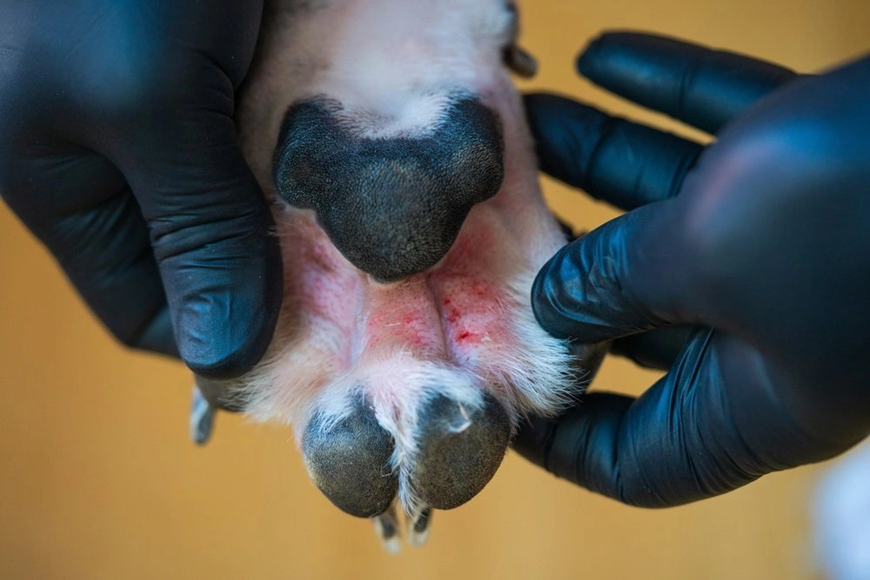
"Dr. Rosales explains that the most common sign to watch out for in a dog with pododermatitis is licking and chewing the paws, as this suggests itchiness and discomfort." — Dr. Millie Rosales, Board-certified veterinary dermatologist
Dogs naturally lick their paws as part of their grooming routine, especially after walks outdoors. However, excessive and persistent paw licking typically signals an underlying issue that requires attention. Allergies rank among the most common causes of excessive paw licking. Food allergies, environmental irritants like pollen, or contact with certain household products can trigger itchiness that dogs try to relieve through licking. Furthermore, parasites such as fleas, ticks, mites, and lice often settle on paws first, causing irritation that prompts intense licking.
Pain or discomfort frequently leads to focused paw licking. Dogs might lick one specific paw when coping with injuries like cuts, stings, burns, or ingrown nails. This behavior serves as their natural way to manage pain and discomfort.
Behavioral issues consequently contribute to excessive paw licking. Boredom, separation anxiety, or stress can manifest as repetitive licking behaviors. Some dogs develop compulsive tendencies that lead to obsessive paw licking as a self-soothing mechanism.
Watch for these warning signs that indicate a veterinary visit is necessary:
· Redness, swelling, or bleeding from paws
· Limping or lameness
· Dark pigmentation or brown stains on paws
· Pus or discharge indicating infection
· Whimpering when paws are touched
Most importantly, constant paw licking creates moisture that can lead to secondary bacterial or yeast infections, making the problem worse. These secondary infections cause additional itchiness, creating a painful cycle that's difficult to break.
To prevent these issues, I recommend using FluffyTails paw cleaner after walks. This paw cleaner for dogs is extremely easy to use and helps remove potential allergens and irritants.
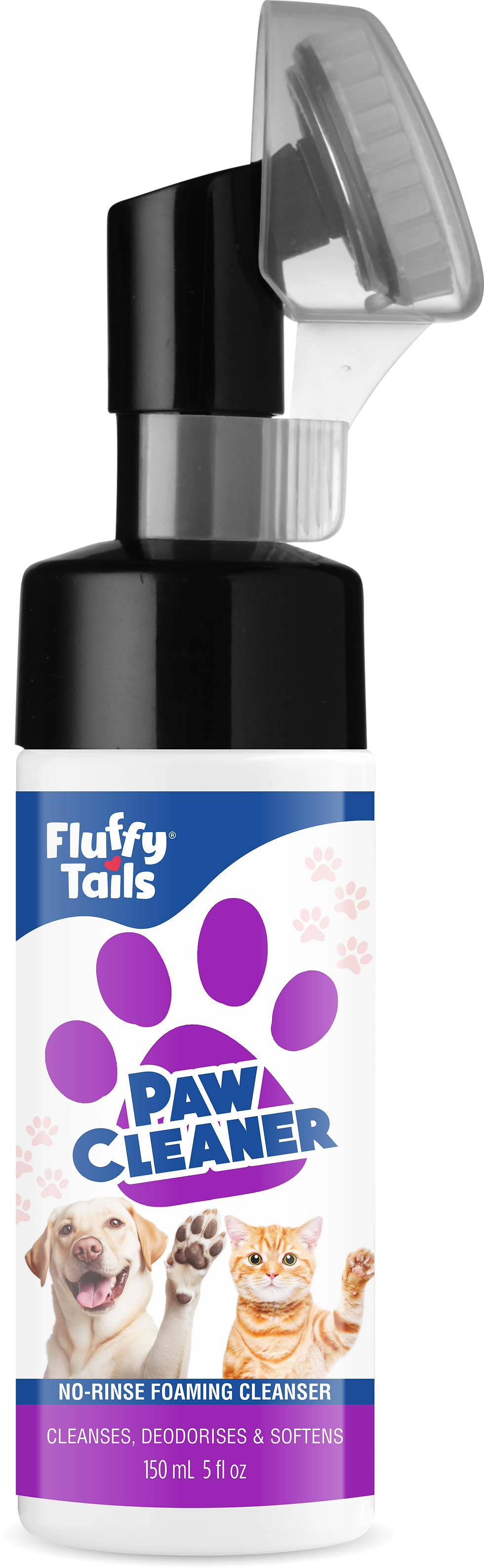
Should your dog already show signs of paw infection, our FluffyDerm Ofmicon lotion provides effective treatment to break the licking cycle and promote healing.

Your dog's excessive paw licking certainly deserves your attention, especially during monsoon season when infections become more common.
Remember that consistent paw care forms an important part of your dog's overall health routine.
Be sure to view our other articles and subscribe to our channel for more helpful pet care tips that will keep your four-legged family member happy and healthy!
.


Comments